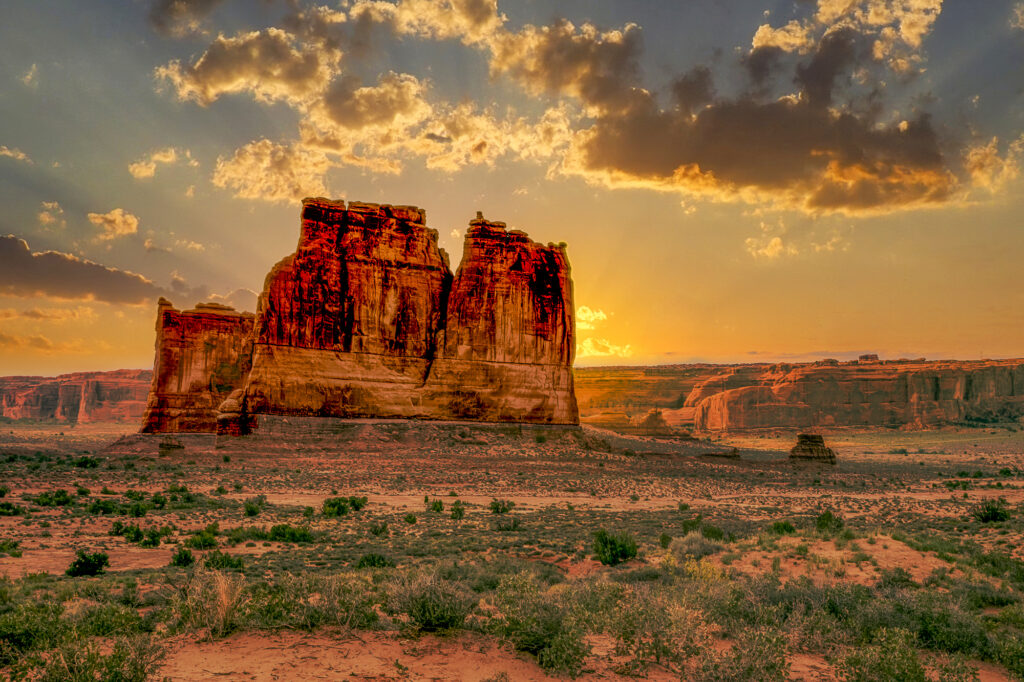
What if you could touch a sunset?
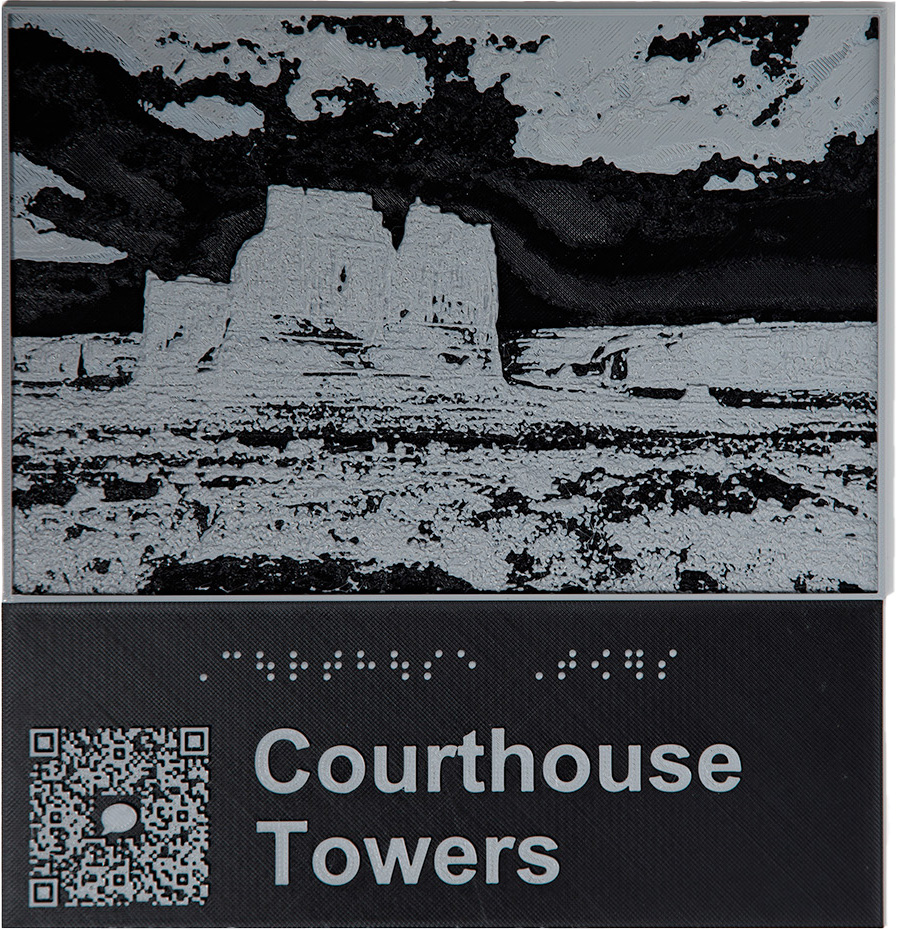
Tactile Photos brings photography into your hands through touch and sound.
Created by Ted and Carrie Tahquechi, our exhibitions pair photographs with tactile interpretations, audio descriptions, and guided tactile walkthroughs. Blind, low-vision, and sighted visitors are invited to explore the work together.
Our collection ranges from beaches and mountain landscapes to architecture, desert formations, and familiar landmarks. Each photograph offers a different place to explore, with details to discover at your own pace.
Photography you are invited to touch
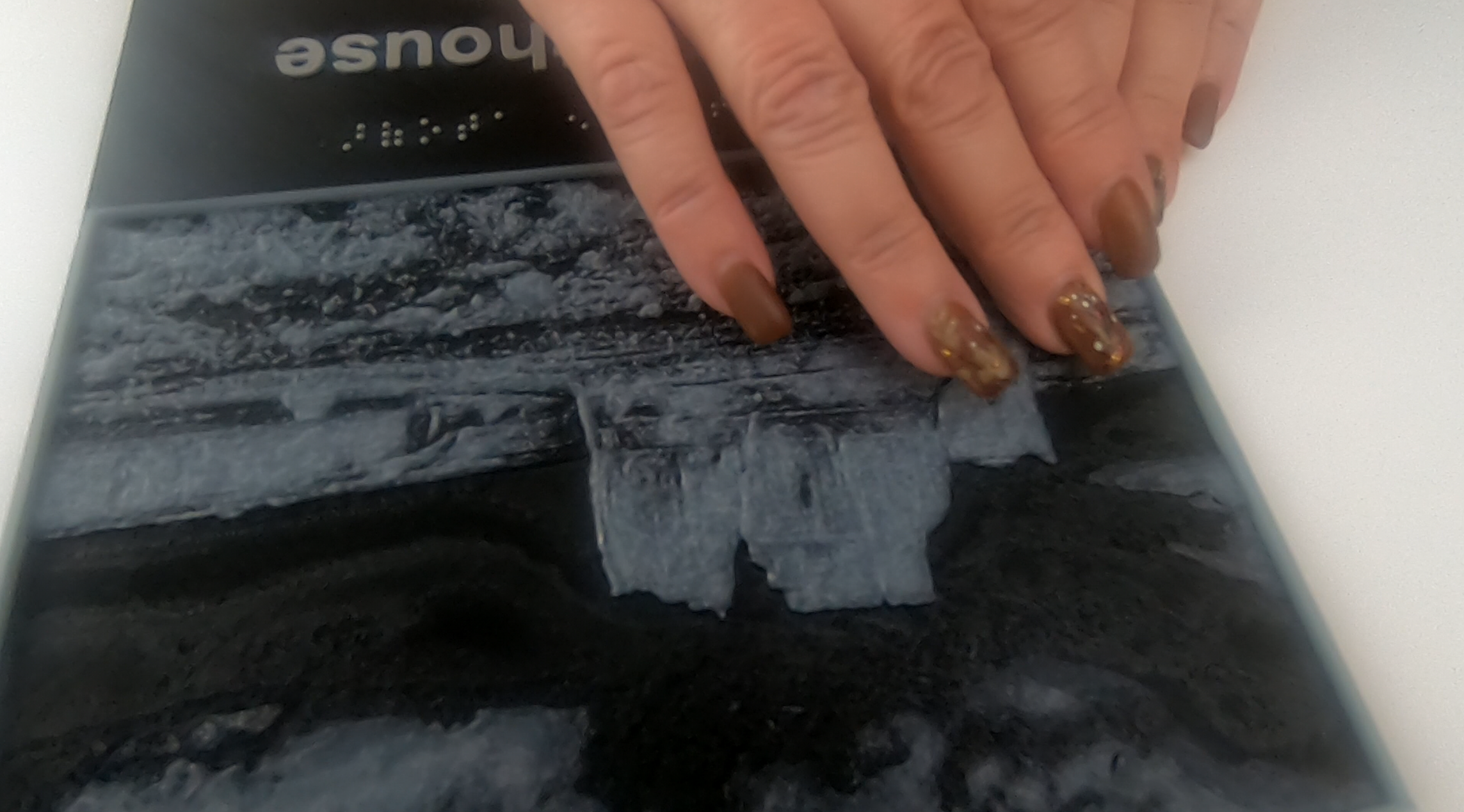
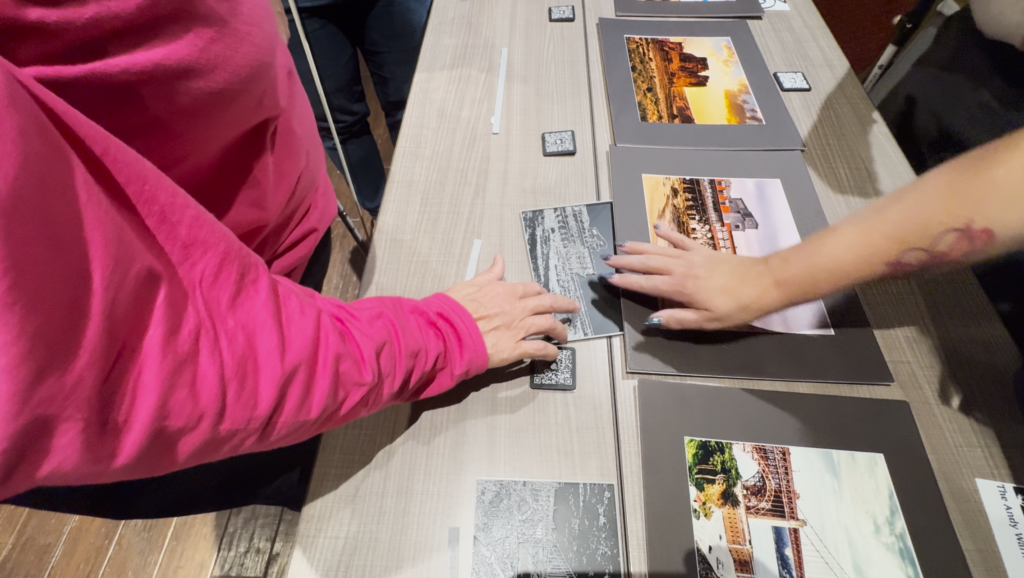
At a Tactile Photos exhibition, touching the artwork is part of the experience. You can follow the lines of a bridge, explore the textures of a rocky landscape, or trace changes in light across a scene.
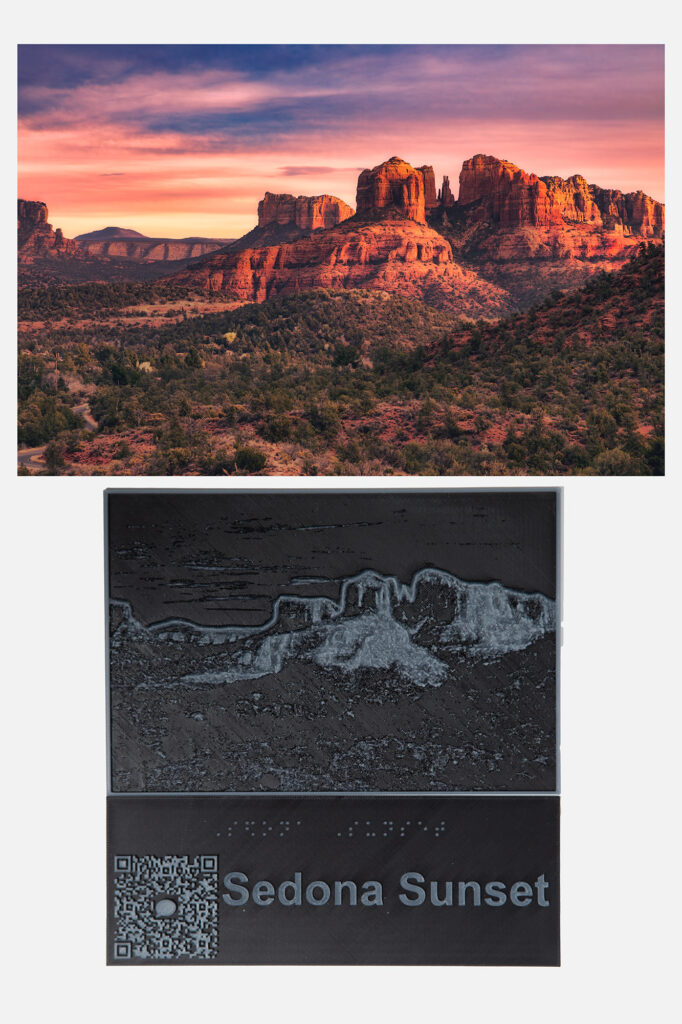
Each work brings together three components: the original photograph, a two-color tactile relief, and an accessibility plate with printed text, braille, and a tactile QR code. Using your phone, you can access an audio description of the photograph and a walkthrough that helps you locate and explore features of the tactile piece.
The photograph, relief, and audio each contribute different information. You choose how to explore them, how long to spend, and which details interest you.
Exhibition visitor, shared anonymously.
“Holding this print, my fingers are doing the looking. I’m not just being told what’s in the picture; I am discovering the landscape for myself.”
From a photograph to a tactile experience
We developed our process through years of experimentation with ways to make photography accessible through touch. Our work translates brightness information, shape and selected textures into raised surfaces, with careful attention to how a composition reads beneath someone’s fingertips.
Every tactile piece is printed in two contrasting colors to support visual exploration as well as touch. Its compact format allows visitors to explore the composition with their hands without having to move across a large surface.
Both of us contribute to the photography, artistic decisions, technical development, and accessibility of the work. Exhibitions and conversations with visitors continue to inform how we present the collection.
Exhibitions and public programs
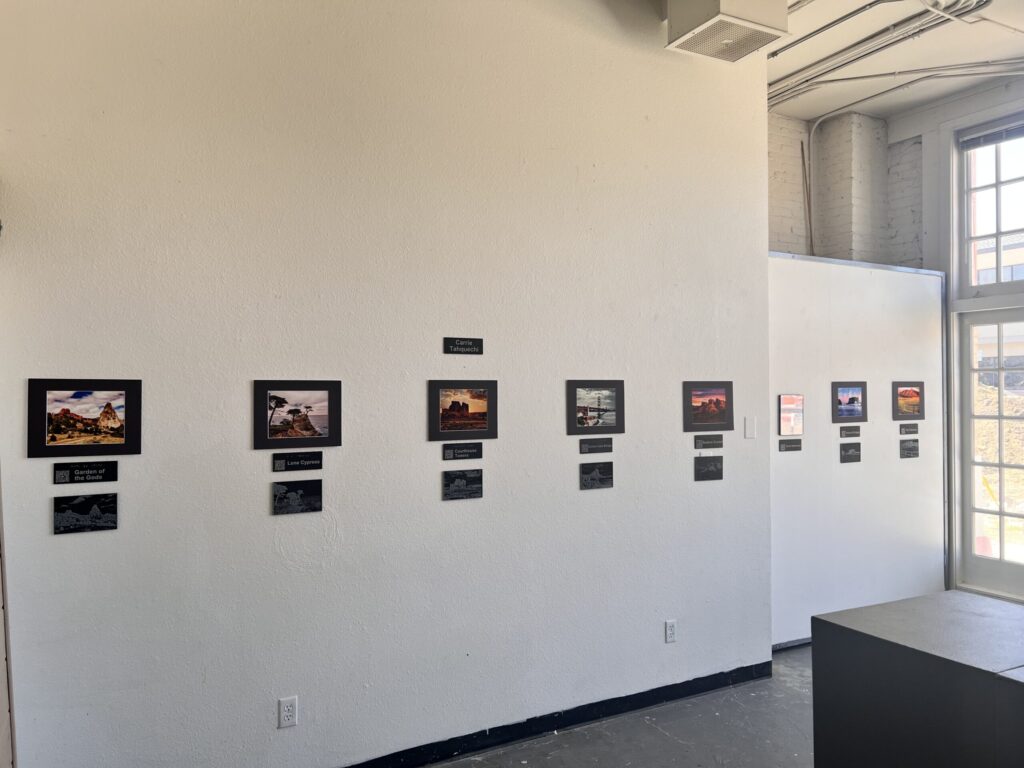
Tactile Photos debuted at the National Federation of the Blind’s 2024 national convention in Florida. Since then, we have shared the work through exhibitions, community events, and ongoing installations. Across the U.S.
The collection includes photographs from the coast, the desert, mountain environments, and the built landscape, including work from Rocky Mountain National Park. A defined exhibition selection of approximately 15 to 20 pieces offers visitors a range of subjects and textures to explore.
Host an Exhibition
We welcome conversations with galleries, museums, libraries, disability organizations, parks, and community spaces about hosting the work. Alongside exhibitions, we offer smaller displays, supervised demonstrations, and public programs. These gatherings give visitors time to ask questions and talk with us about the photographs, the process, and accessibility in visual art.
Discuss Hosting an ExhibitionContact
Our Partners
Thank you to ElevenLabs, West3D, Polymaker, RedLine Contemporary Art Center, and The Andy Warhol Foundation for the Visual Arts for supporting the development and presentation of Tactile Photos.